Japan Etiquette for First-Time Visitors: 12 Simple Rules
Japanese people are generally very forgiving towards visitors, so don’t worry about making small mistakes. But knowing a few basic manners makes your trip smoother, and locals will really appreciate it. Here are the most important ones.
On the street
- Take your trash with you. Public bins are rare. Most people carry a small bag and throw things away at their hotel or at a convenience store.
- Avoid eating while walking in busy areas. At street-food stalls, it’s normal to stand next to the stall and eat there.
- Stand on one side of escalators. In Kyoto, people usually stand on the left; in Osaka, on the right. Just follow the people in front of you.
On trains and buses
- Keep your voice down and don’t make phone calls.
- Queue in line at the marked spots on the platform and let people get off first.
- Large suitcases: some Shinkansen seats require a reservation for oversized luggage. Check before you travel.
At temples and shrines
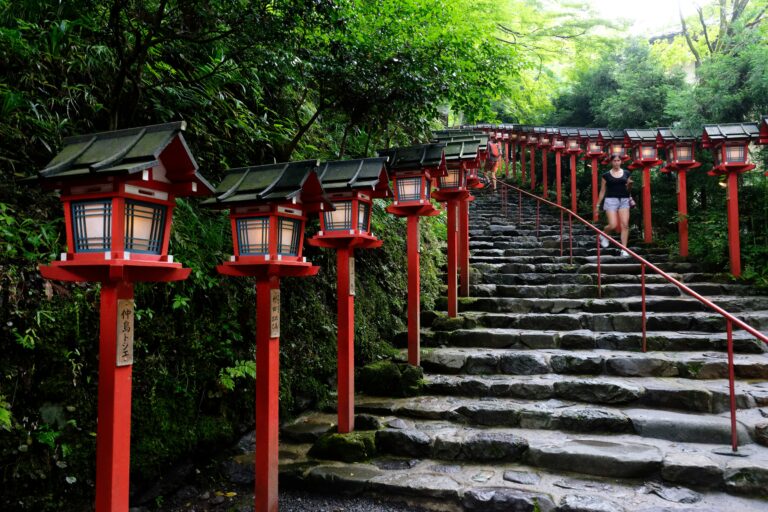
- Bow lightly when passing through a shrine gate (torii) and walk on the side, not in the very center.
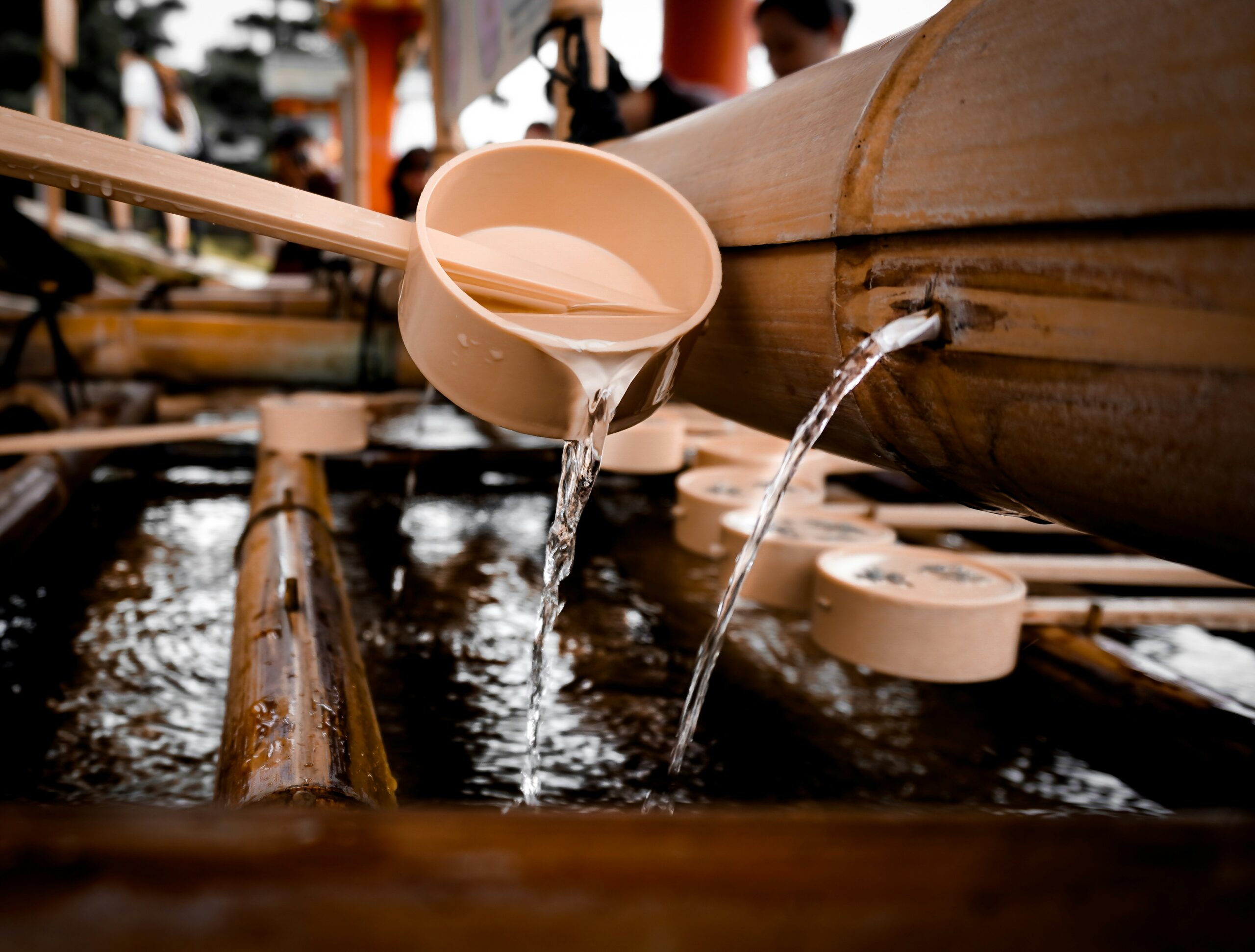
- Purify your hands at the water basin when you see others doing it.
- Check for photo rules. Photos are often not allowed inside temple halls.
- Respect private areas. In Gion, some private lanes are closed to tourists, and taking photos of geiko and maiko without permission is not welcome.
In restaurants
- No tipping. Leaving extra money can cause confusion; staff may even run after you to return it.
- Say “itadakimasu” before eating and “gochisousama deshita” after, if you like. People appreciate it.
- Chopsticks: don’t stick them upright in rice, and don’t pass food from chopsticks to chopsticks. Both are associated with funerals.
- Slurping noodles is perfectly fine.
Shoes off
Take off your shoes when entering homes, some restaurants, temples and traditional inns. Look for a raised floor or a shoe rack at the entrance. Wearing socks without holes is a good idea!
Onsen (hot springs)
- Wash thoroughly at the shower stations before entering the bath.
- Bathing suits are not worn in traditional onsen.
- Keep your small towel out of the water.
- Some onsen don’t allow tattoos, although more places are becoming tattoo-friendly. Ask in advance.
The most important rule
Be polite, patient and curious, and you’ll be fine. A smile and a simple “arigatou gozaimasu” (thank you) go a long way.
Want a guide who explains as you go?
On my private tours, I explain customs as we go, help you with ordering and temple etiquette, and answer all the questions you might feel shy to ask.
Want a local to plan the day for you? I’m David, a German who has lived in Kansai for over 15 years. I offer private tours in Kyoto, Osaka, Nara and Kobe in English or Deutsch, just for your group and at your pace.